
Exclusive
 What Does Science and ESG Hold in Trump 2.0?
 Nature-Based Solutions: Balancing Promise and Limitations in Climate Action
 Crafting Eco-Friendly Strategies for Niche Enterprises
 U.S. Companies Roll Back ESG Commitments
 How New Rules Are Making Greenwashing a Thing of the Past
 Why Scope 3 is the Real Test of Corporate Climate Commitment
 Water Sustainability in 2025 – Digitalization, AI, and the Rise of Smart Water Systems
 From Pledges to Practice: Building Coherent and Reliable Climate Policy
.jpeg) The Role of Circular Economy in Waste Management
The Role of Circular Economy in Waste Management
 Small Steps, Big Wins: The Power of Everyday Sustainability
 Zero Waste at Home: Practical Tips for a Greener Lifestyle
 India’s Green Hydrogen Mission – Pioneering a Low-Carbon Future
.jpg) Urban Resilience – How Nature-Based Solutions Are Transforming Cities
Urban Resilience – How Nature-Based Solutions Are Transforming Cities
 The ISO Net-Zero Standard – A Game Changer for Global Climate Action
.jpg) Phasing Out Fossil Fuels— A Just Transition
Phasing Out Fossil Fuels— A Just Transition
 Life Cycle Assessment: The Key to Sustainable Decision-Making
.jpg) Sustainable Menus— A Recipe for Environmental Responsibility
Sustainable Menus— A Recipe for Environmental Responsibility
.jpg) Green Hydrogen for a Sustainable Future
Green Hydrogen for a Sustainable Future
.jpg) Net Zero Made Simple— Everything You Need to Know
Net Zero Made Simple— Everything You Need to Know
 Regenerative Agriculture— Revitalizing Farms & Rebuilding Ecosystems
 Decarbonizing Transportation with Electric Vehicles and Beyond
 Reducing Consumption— Sustainable Practices at Home and Work
 Harnessing Power Through Sustainable Means
 Decarbonization— The Path to a Low-Carbon Future
 The Path to a Sustainable World

Subscribers: 274
The Role of Circular Economy in Waste Management
Blogs
28 April 2025
173
Understanding Circular Economy
The circular economy is a transformative approach that seeks to redefine the traditional linear model of "take, make, dispose." Instead of viewing waste as the end of a product's life cycle, the circular economy emphasizes the importance of reusing, recycling and repurposing materials. This approach not only minimizes waste but also conserves resources and reduces environmental impact.
Key Principles of Circular Economy
The circular economy is built on several fundamental principles:
- Design for Longevity: Products should be designed to last longer, with durability and repairability in mind. This reduces the frequency of disposal and the need for new resources.
- Resource Recovery: Materials can be recovered and reused at the end of a product's life. This includes recycling materials or refurbishing products for resale.
- Waste as a Resource: In a circular economy— waste is viewed as a valuable resource. This can include organic waste being transformed into compost or energy and industrial by-products being repurposed in other manufacturing processes.
- Collaboration Across Sectors: Achieving a circular economy requires collaboration among businesses, governments and consumers to create systems that support sustainable practices.
Why Circular Economy Matters for Waste Management
The transition to a circular economy presents significant benefits for waste management:
- Reduction in Landfill Waste: By promoting recycling and resource recovery, the circular economy can significantly decrease the volume of waste sent to landfills.
- Lower Environmental Impact: Reducing the need for raw material extraction minimizes environmental degradation and lowers greenhouse gas emissions associated with production.
- Economic Opportunities: The circular economy can drive innovation and create jobs in areas such as recycling, repair and sustainable product design. According to a report from the Ellen MacArthur Foundation[1]— transitioning to a circular economy could generate significant economic growth and job opportunities.
Examples of Circular Economy Practices
Several innovative practices exemplify the principles of a circular economy:
- Product-as-a-Service Models: Companies like Philips offer lighting as a service, where customers pay for the use of lighting rather than owning the products. This incentivizes the company to design longer-lasting products and ensure proper end-of-life management.
- Upcycling and Repurposing: Brands like Patagonia encourage customers to return used products for recycling or refurbishing, promoting a culture of repair and reuse.
- Industrial Symbiosis: This involves different industries working together to utilize each other’s waste materials. For example:- a factory might use the waste heat from another factory’s operations thereby reducing overall energy consumption.
Challenges and Considerations
Despite its advantages, transitioning to a circular economy faces several challenges:
- Consumer Behavior: Changing consumer habits towards recycling and sustainable consumption requires education and awareness.
- Infrastructure Needs: Effective collection and recycling systems need to be established to support circular economy initiatives.
- Policy and Regulation: Governments play a crucial role in creating supportive policies that incentivize circular practices and penalize wasteful behaviors.
Looking Ahead
As we move forward—the role of the circular economy in waste management will become increasingly vital. By embracing circular principles, businesses and communities can significantly reduce waste and environmental impact while fostering innovation and economic growth. It’s time to rethink how we view waste and embrace a future where resources are valued and reused, paving the way for a sustainable and resilient economy.
[1] https://www.ellenmacarthurfoundation.org/regions/asia#:~:text=India%20and%20the%20circular%20economy,meet%20their%20Sustainable%20Development%20Goals.
👍0
💬 0
Read Next
 News
News
India Doubles Down on Water Sustainability
.jpg) Articles
Articles
Fast Fashion and Textile Waste – The Environmental Crisis We Can’t Ignore
 Articles
2025 – A Pivotal Year for Sustainable Development: Three Global Milestones to Watch
Blogs
Crafting Eco-Friendly Strategies for Niche Enterprises
 News
News
Union Budget 2025: Key Green Energy & Decarbonization Highlights
 Articles
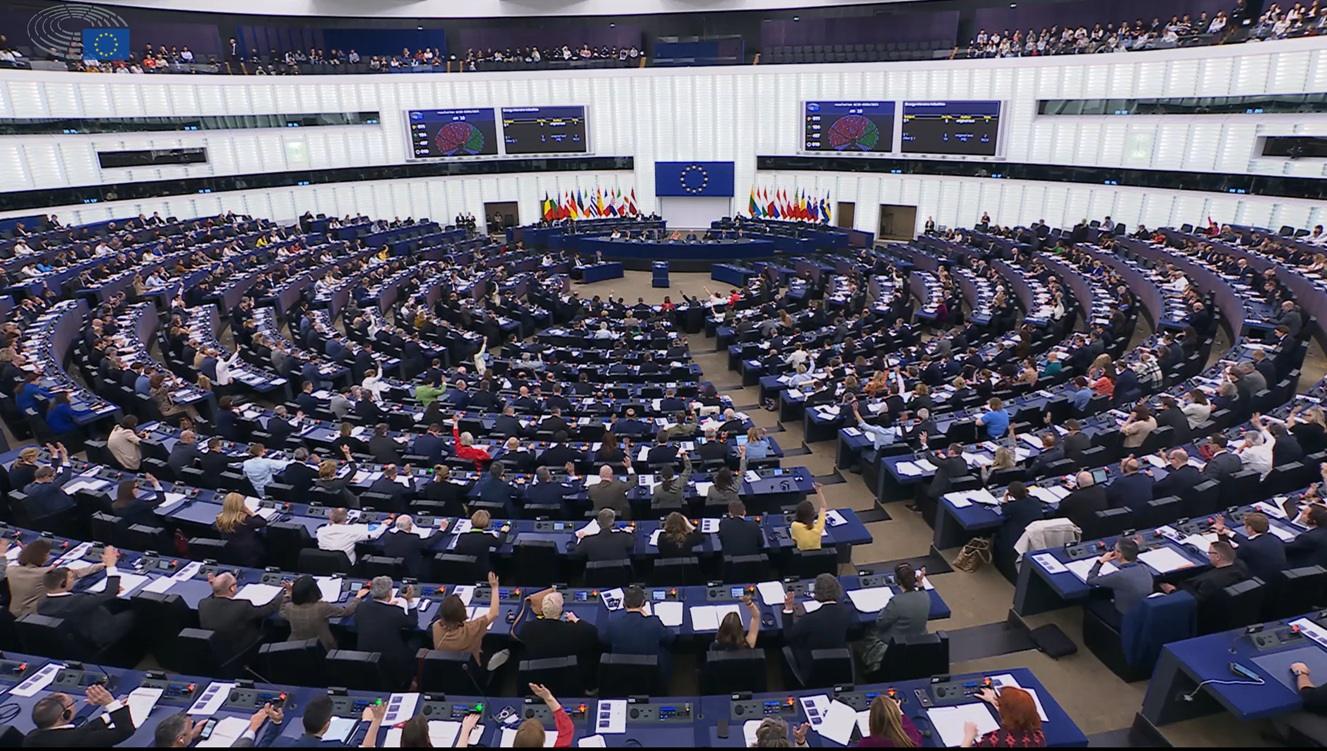
EU Parliament Votes to Freeze Sustainability Reporting Rules Amid Business Concerns
×
Live Polls
.jpg)
Leave your opinion / comment here