
Exclusive
 What Does Science and ESG Hold in Trump 2.0?
 Nature-Based Solutions: Balancing Promise and Limitations in Climate Action
 Crafting Eco-Friendly Strategies for Niche Enterprises
 U.S. Companies Roll Back ESG Commitments
 How New Rules Are Making Greenwashing a Thing of the Past
 Why Scope 3 is the Real Test of Corporate Climate Commitment
 Water Sustainability in 2025 – Digitalization, AI, and the Rise of Smart Water Systems
 From Pledges to Practice: Building Coherent and Reliable Climate Policy
.jpeg) The Role of Circular Economy in Waste Management
The Role of Circular Economy in Waste Management
 Small Steps, Big Wins: The Power of Everyday Sustainability
 Zero Waste at Home: Practical Tips for a Greener Lifestyle
 India’s Green Hydrogen Mission – Pioneering a Low-Carbon Future
.jpg) Urban Resilience – How Nature-Based Solutions Are Transforming Cities
Urban Resilience – How Nature-Based Solutions Are Transforming Cities
 The ISO Net-Zero Standard – A Game Changer for Global Climate Action
.jpg) Phasing Out Fossil Fuels— A Just Transition
Phasing Out Fossil Fuels— A Just Transition
 Life Cycle Assessment: The Key to Sustainable Decision-Making
.jpg) Sustainable Menus— A Recipe for Environmental Responsibility
Sustainable Menus— A Recipe for Environmental Responsibility
.jpg) Green Hydrogen for a Sustainable Future
Green Hydrogen for a Sustainable Future
.jpg) Net Zero Made Simple— Everything You Need to Know
Net Zero Made Simple— Everything You Need to Know
 Regenerative Agriculture— Revitalizing Farms & Rebuilding Ecosystems
 Decarbonizing Transportation with Electric Vehicles and Beyond
 Reducing Consumption— Sustainable Practices at Home and Work
 Harnessing Power Through Sustainable Means
 Decarbonization— The Path to a Low-Carbon Future
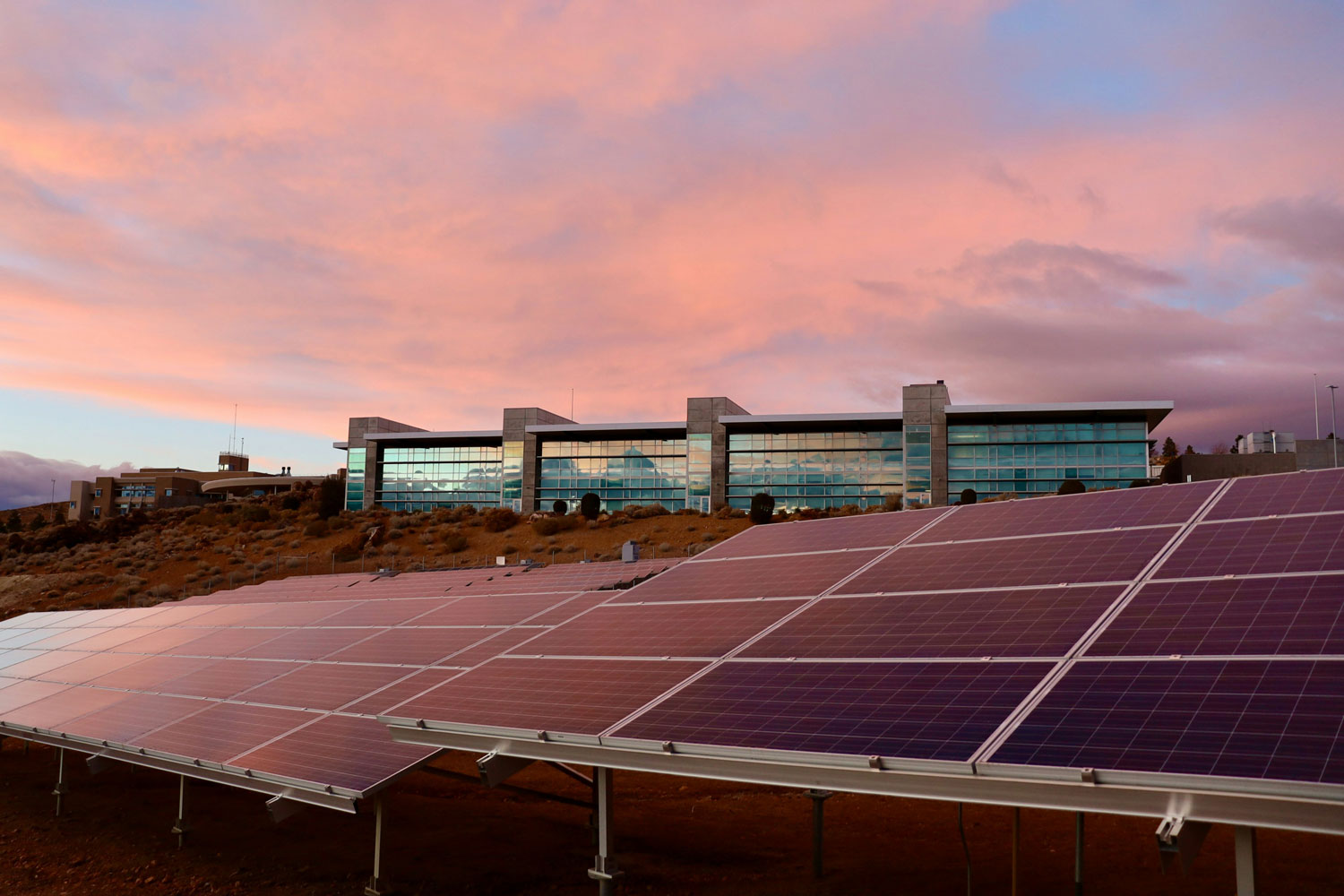 The Path to a Sustainable World

Subscribers: 287
Sand Batteries and Smart Inverters – The Unsung Heroes of 2025’s Energy Transition

News
28 April 2025
20
In a bid to solve renewable energy’s intermittency crisis, innovators are turning to unexpected materials-like sand-and smarter grid tech. Here’s how these under-the-radar advancements are accelerating the clean energy shift:
Sand Batteries: Storing Heat in a Grain of Innovation
Italian engineers unveiled the world’s first commercial sand battery in late 2024. This system uses excess solar or wind power to heat silica sand to 600°C, stored in insulated silos. The heat is then converted back to electricity or used directly for industrial processes, achieving 98% thermal efficiency.
- Impact: A pilot in Tuscany powers a ceramic factory, cutting its gas use by 70%.
- Scalability: Unlike lithium-ion batteries, sand is abundant and non-toxic, slashing storage costs to $10/kWh-a fraction of current solutions.
Smart Inverters: AI-Powered Grid Guardians
2025 is the year inverters got smart. These devices, which convert solar panel DC power to AC, now use AI to predict grid demand and adjust output in real time. For example:
- Load Management: During peak hours, inverters prioritize critical infrastructure (e.g., hospitals) over residential use.
- Blackout Prevention: In California, smart inverters reduced grid overloads by 40% during the 2024 heatwave.
Companies like Tesla and Sungrow are integrating these systems into rooftop solar kits thereby making them accessible to homeowners[1].
Global Implications
- Developing Nations: Sand batteries could electrify off-grid regions in Africa and Asia, where 600 million people lack reliable power.
- Corporate Adoption: Google’s data centers in Nevada now use sand storage to maintain 24/7 renewable operation.
Challenges:
- Regulatory Hurdles: Grid operators must update standards to accommodate bidirectional energy flow from smart inverters.
- Awareness Gap: Few policymakers recognize sand batteries’ potential, slowing funding.
What’s Next?
The EU plans to deploy 50 sand battery facilities by 2030— while the US Department of Energy is funding smart inverter R&D through its Grid Modernization Initiative. As renewables dominate, these technologies will be the quiet backbone of a stable, fossil-free grid.
[1] https://www.renewableenergymagazine.com/rose-morrison/8-innovations-in-alternative-energy-for-sustainable-20250114
👍0
💬 0
Read Next
Blogs
Life Cycle Assessment: The Key to Sustainable Decision-Making
Blogs
Zero Waste at Home: Practical Tips for a Greener Lifestyle
.jpg) Articles
Articles
Fast Fashion and Textile Waste – The Environmental Crisis We Can’t Ignore
Blogs
Harnessing Power Through Sustainable Means
Blogs
Reducing Consumption— Sustainable Practices at Home and Work
 Articles
EU Parliament Votes to Freeze Sustainability Reporting Rules Amid Business Concerns
×
Live Polls
.jpg)
Leave your opinion / comment here