
Exclusive
 What Does Science and ESG Hold in Trump 2.0?
 Nature-Based Solutions: Balancing Promise and Limitations in Climate Action
 Crafting Eco-Friendly Strategies for Niche Enterprises
 U.S. Companies Roll Back ESG Commitments
 How New Rules Are Making Greenwashing a Thing of the Past
 Why Scope 3 is the Real Test of Corporate Climate Commitment
 Water Sustainability in 2025 – Digitalization, AI, and the Rise of Smart Water Systems
 From Pledges to Practice: Building Coherent and Reliable Climate Policy
.jpeg) The Role of Circular Economy in Waste Management
The Role of Circular Economy in Waste Management
 Small Steps, Big Wins: The Power of Everyday Sustainability
 Zero Waste at Home: Practical Tips for a Greener Lifestyle
 India’s Green Hydrogen Mission – Pioneering a Low-Carbon Future
.jpg) Urban Resilience – How Nature-Based Solutions Are Transforming Cities
Urban Resilience – How Nature-Based Solutions Are Transforming Cities
 The ISO Net-Zero Standard – A Game Changer for Global Climate Action
.jpg) Phasing Out Fossil Fuels— A Just Transition
Phasing Out Fossil Fuels— A Just Transition
 Life Cycle Assessment: The Key to Sustainable Decision-Making
.jpg) Sustainable Menus— A Recipe for Environmental Responsibility
Sustainable Menus— A Recipe for Environmental Responsibility
.jpg) Green Hydrogen for a Sustainable Future
Green Hydrogen for a Sustainable Future
.jpg) Net Zero Made Simple— Everything You Need to Know
Net Zero Made Simple— Everything You Need to Know
 Regenerative Agriculture— Revitalizing Farms & Rebuilding Ecosystems
 Decarbonizing Transportation with Electric Vehicles and Beyond
 Reducing Consumption— Sustainable Practices at Home and Work
 Harnessing Power Through Sustainable Means
 Decarbonization— The Path to a Low-Carbon Future
 The Path to a Sustainable World

Subscribers: 306
Harnessing Power Through Sustainable Means
Blogs
01 April 2025
288
Introduction
The transition to renewable energy is more than just a trend—it's a necessity for a sustainable future. Renewable energy sources, such as solar, wind, hydro, geothermal and biomass—offer a cleaner as well as a more sustainable alternative to fossil fuels. This blog explores the potential of these renewable energy sources and their role in shaping a low-carbon future.
Solar Energy: The Power of the Sun
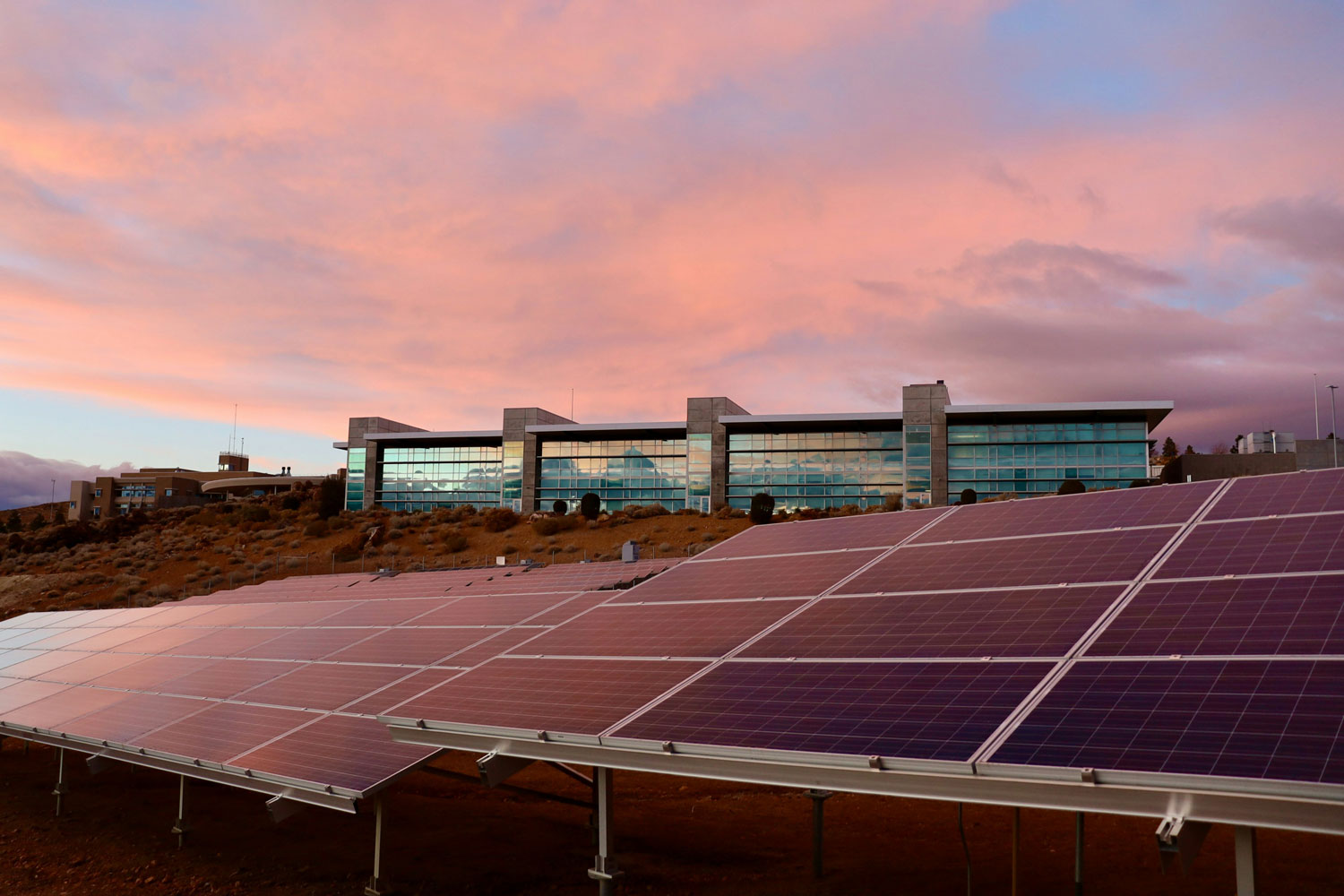
Solar energy is one of the most abundant and rapidly growing renewable energy sources. Solar photovoltaic (PV) panels convert sunlight directly into electricity which makes it a versatile and scalable solution. In recent years— the cost of solar panels has dropped significantly, making solar energy competitive with traditional fossil fuels. Solar power can be deployed on rooftops, in large solar farms and even integrated into building materials, offering a wide range of applications.
Wind Power: Harnessing the Breeze
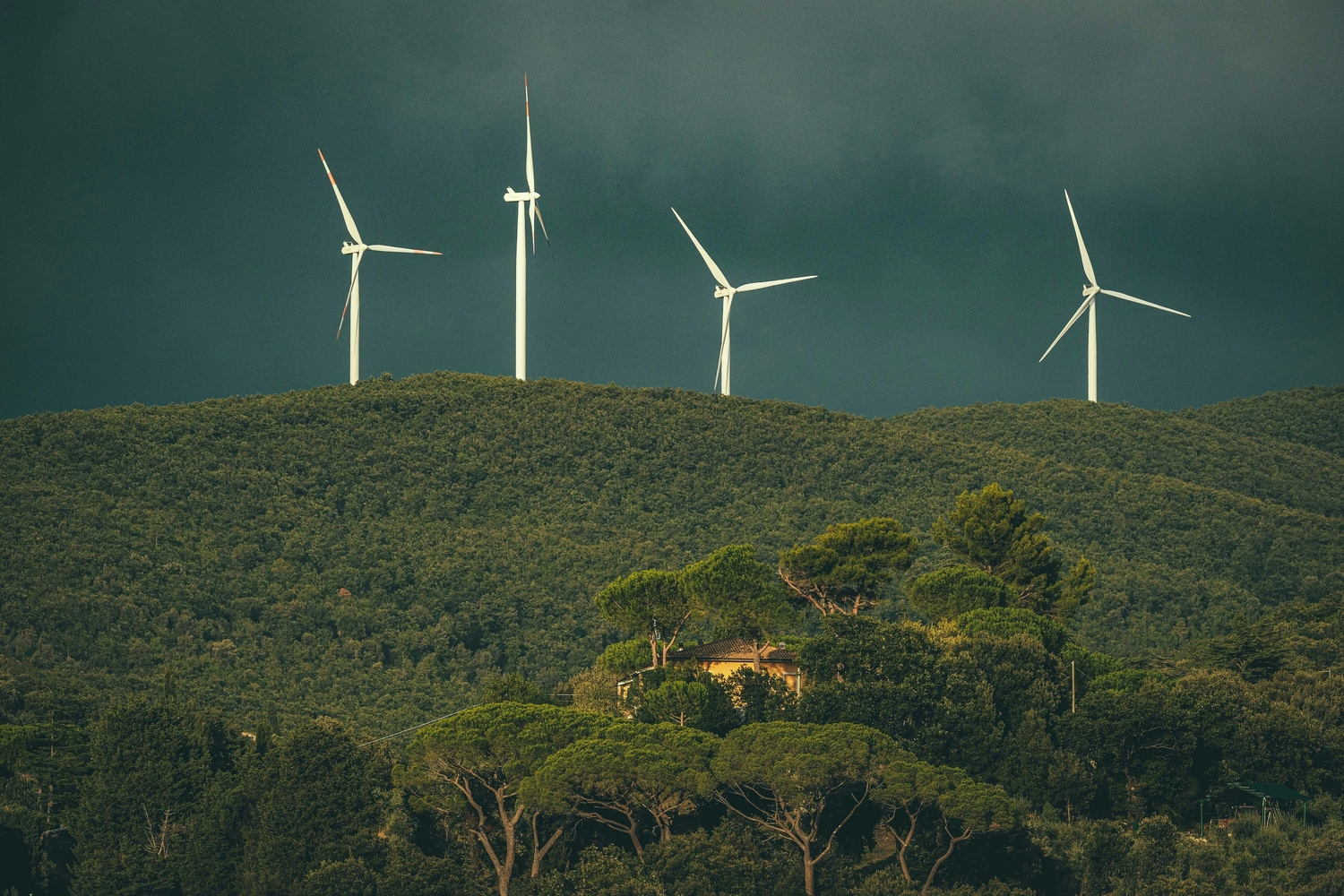
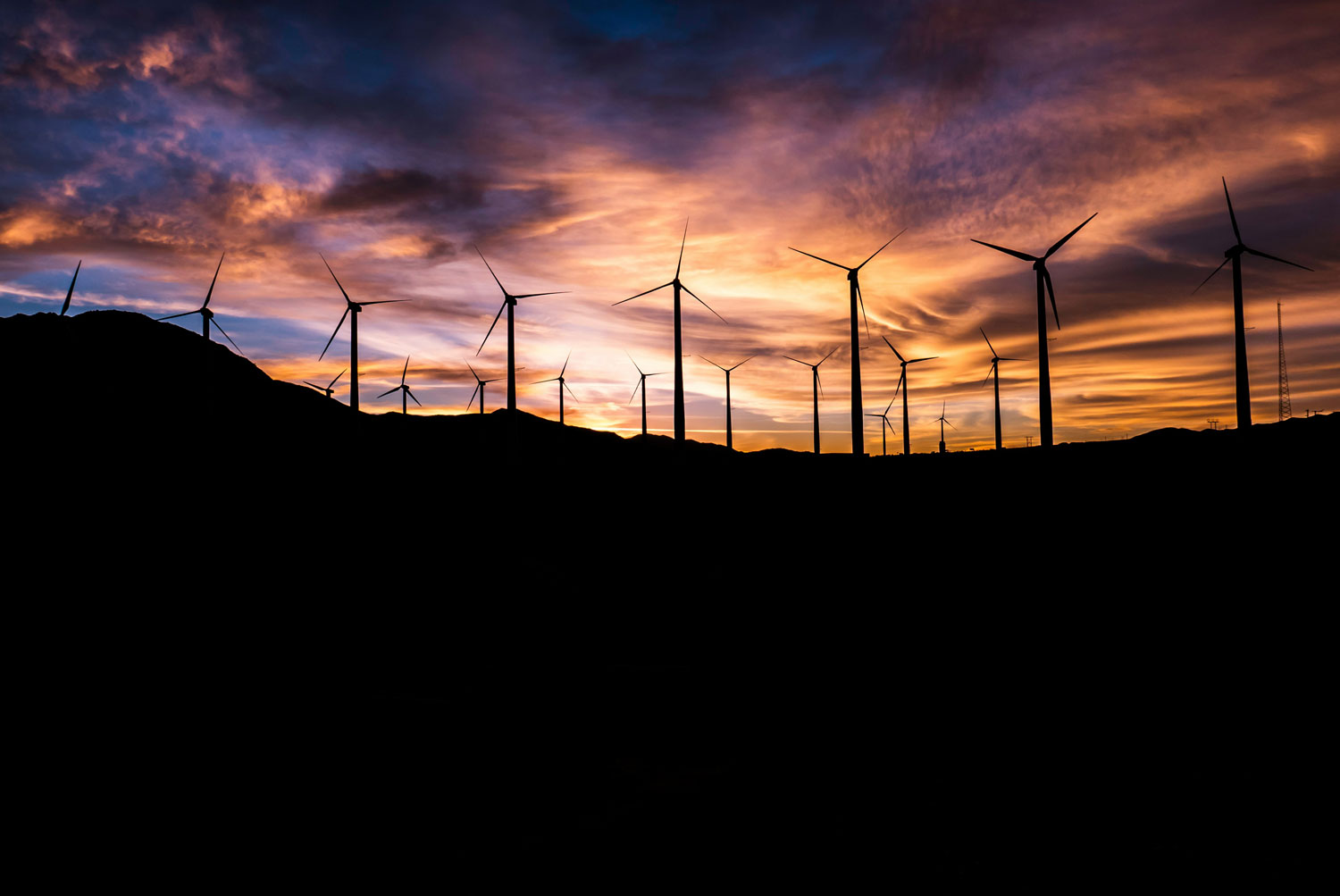
Wind power is another leading renewable energy source—with wind turbines generating electricity by harnessing the power of the wind. Wind farms can be located onshore or offshore—with the latter offering higher and more consistent wind speeds. Advances in turbine technology have increased the efficiency and capacity of wind power, making it a reliable and cost-effective energy solution.
Hydropower: The Flow of Renewable Energy
Hydropower has been a significant source of renewable energy for decades, using the flow of water to generate electricity. Large hydroelectric power plants can produce substantial amounts of electricity while smaller run-of-the-river systems offer a more sustainable and less environmentally impactful alternative. Hydropower is a controllable and reliable source of renewable energy, providing a stable base load for electricity grids.
Geothermal Energy: Tapping into the Earth's Heat
Geothermal energy harnesses the natural heat from the Earth's core to generate electricity and provide heating and cooling. Geothermal power plants can operate continuously which offers a stable and reliable source of energy. This makes geothermal energy an attractive option for reducing reliance on fossil fuels and achieving energy security.
Biomass: Energy from Organic Materials
Biomass energy involves using organic materials, such as wood, agricultural waste and municipal solid waste—to generate electricity and heat. Biomass can be burned directly or converted into biofuels for transportation. While biomass is a renewable resource, its sustainability depends on responsible sourcing and management practices.
At a Glance
Renewable energy sources offer a diverse and sustainable alternative to fossil fuels. By harnessing the power of the sun, wind, water, Earth's heat and organic materials, we can create a cleaner and more resilient energy future. The rapid growth and technological advancements in renewable energy make it an essential component of the global transition to a low-carbon economy.
👍0
💬 0
Read Next
Blogs
From Pledges to Practice: Building Coherent and Reliable Climate Policy
.jpg) News
News
Budget 2025 and India’s Sustainable Growth – ESG Trends to Watch
Blogs
The Role of Circular Economy in Waste Management
.jpg) Articles
Articles
Nature-Based Solutions in Urban Planning: Building Resilient Cities
 News
News
India’s Extreme Poverty Rate Drops to ‘Negligible’ Levels, New 2025 Reports Reveal
 News
News
Shipping Industry Sets Sail Toward Net-Zero: IMO Approves Landmark Climate Policy
×
Live Polls
.jpg)
Leave your opinion / comment here